
Some children won't say they're struggling.Find them earlier.
The updated KCSIE 2026/27 guidance puts early identification of pupil mental health at the centre of safeguarding. That makes process, not just awareness, the real question for schools.
4x things schools are now expected to do
Promote good mental wellbeing
Identify pupils early
Put targeted support in place
Refer to specialist services when needed
The guidance is sharper. The expectation is higher.
KCSIE 2026 substantially updates the mental health sections and ties them more closely to safeguarding, leadership, and online safety.
Early warning signs
Staff are now expected to spot signs earlier.
The guidance names warning signs directly. The challenge for schools is how to identify them consistently across the whole pupil population.
Significant changes in behaviour
Withdrawing from social situations
Loss of interest in usual activities
Signs of self-harm or self-neglect
Mental health now sits firmly inside safeguarding
KCSIE 2026 makes clear that mental health concerns can become safeguarding concerns and can also signal abuse, neglect, or exploitation.
A whole-school approach is expected
Schools are expected to identify need early, not wait for crisis or rely on external provision arriving at the right time.
Online safety has moved on again
The updated guidance references misinformation, disinformation, and AI-generated content alongside broader expectations around monitoring and pupil education.
Mental health now sits firmly inside safeguarding
KCSIE 2026 makes clear that mental health concerns can become safeguarding concerns and can also signal abuse, neglect, or exploitation.
A whole-school approach is expected
Schools are expected to identify need early, not wait for crisis or rely on external provision arriving at the right time.
Online safety has moved on again
The updated guidance references misinformation, disinformation, and AI-generated content alongside broader expectations around monitoring and pupil education.
Turn a new expectation into a practical school process.
Identify pupils earlier, connect concerns to safeguarding, and clearly demonstrate the impact of preventative support.
Early identification
What KCSIE requires
Schools must have proactive systems to identify children quietly struggling with mental health, anxiety, or low-level worries.
How Bounce supports you
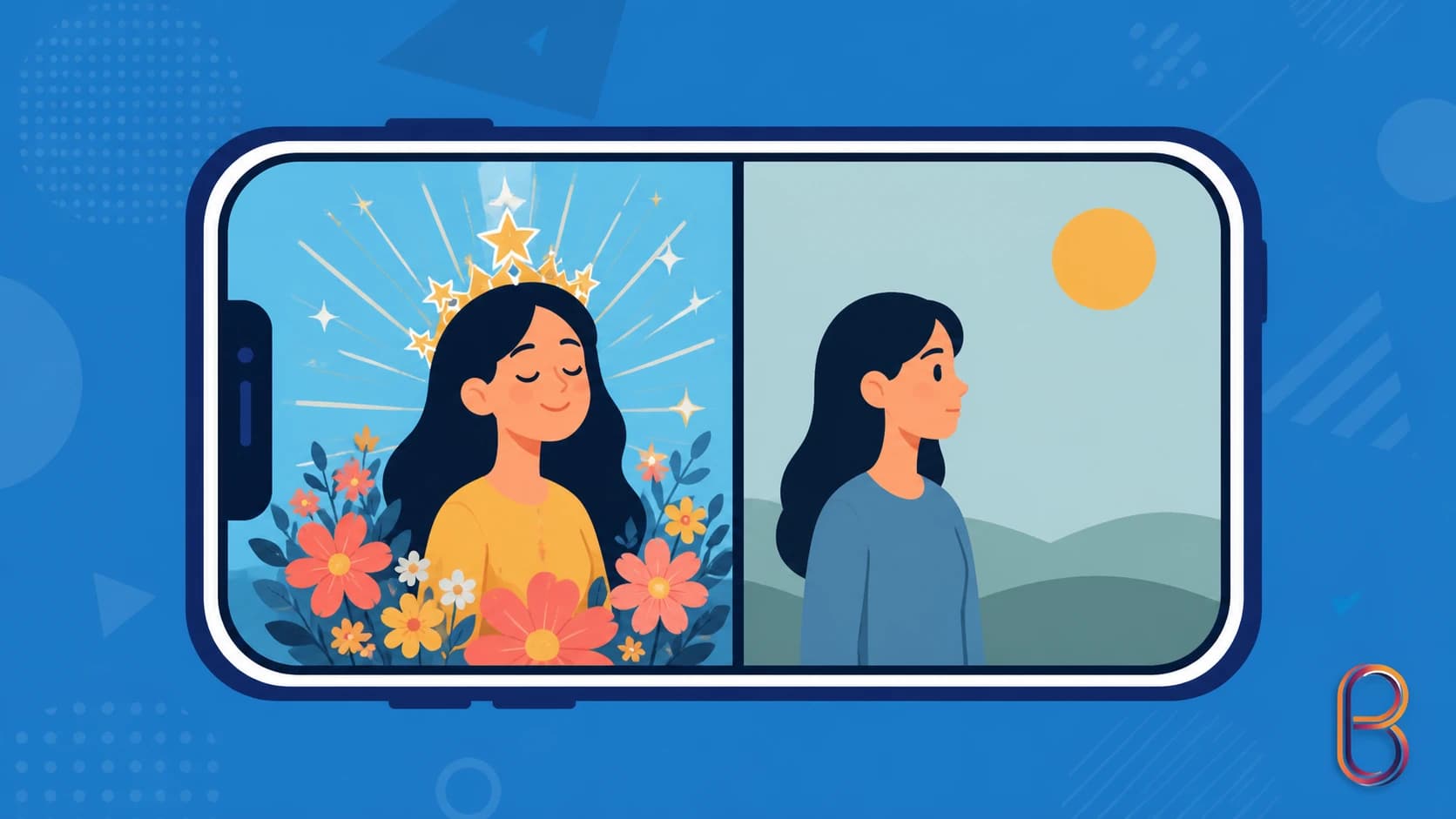
Our platform gives pupils a safe, private way to voice their feelings. It automatically highlights the "hidden middle" - those pupils who are quietly struggling but rarely raise their hands or trigger traditional alarms.
Connected workflows
What KCSIE requires
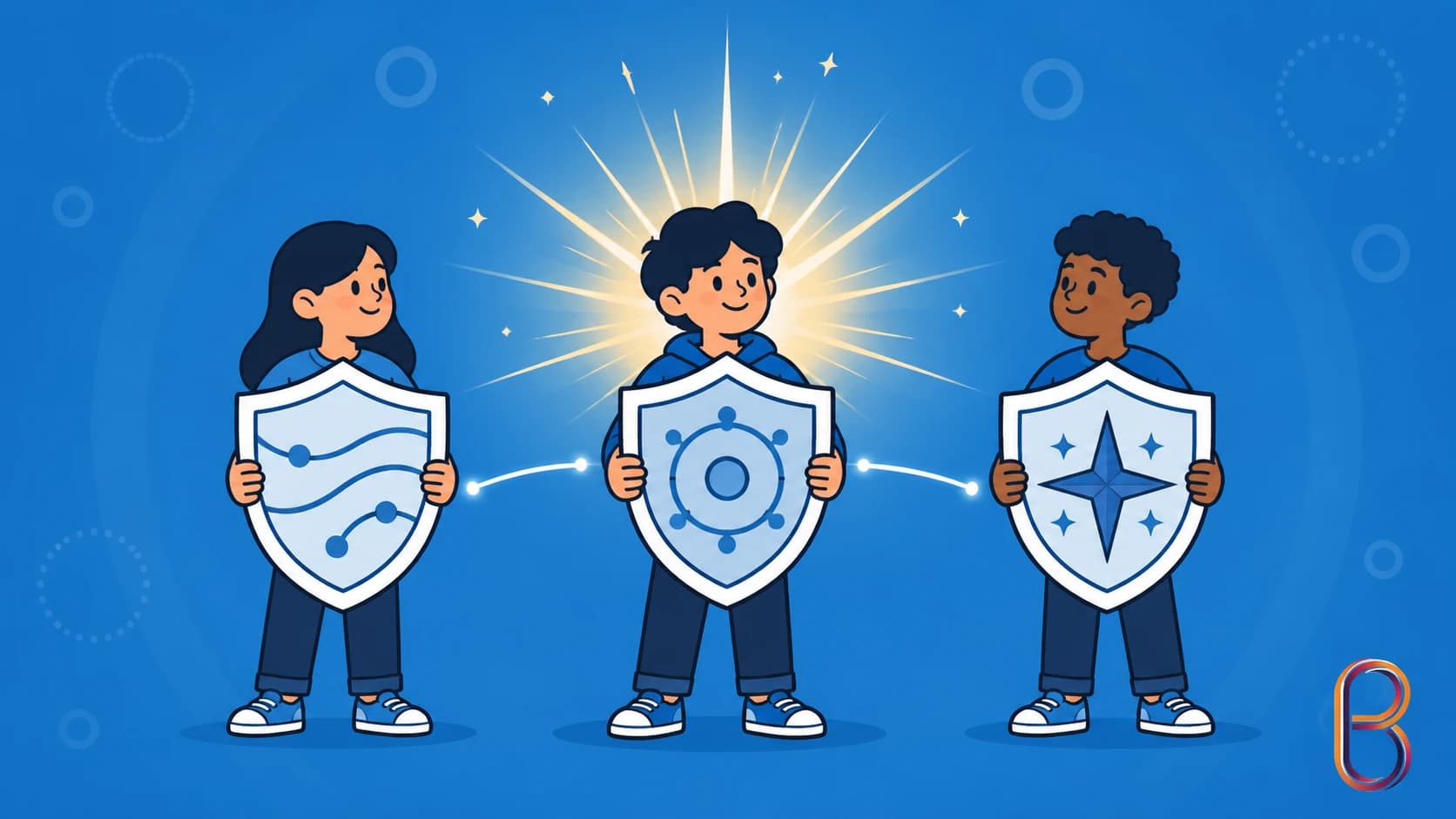
Mental health concerns must not sit in isolation from safeguarding. Clear, immediate pathways to escalation are essential.
How Bounce supports you
Any flagged pastoral or welfare concerns are routed automatically into your existing safeguarding systems, such as CPOMS. No double-entry, no missed details, and immediate notifications for your DSL team.
Proving preventative impact
What KCSIE requires
Governing bodies and inspectors need clear evidence of a proactive, whole-school approach to child mental fitness.
How Bounce supports you
Generate simple, anonymised trend reports in a single click. You can instantly demonstrate active, evidence-based early interventions during governor briefings and Ofsted inspections.
Run a validated survey
Use QR delivery and choose from 65+ measures without turning the process into an admin project.
Get alerts automatically
If a response crosses a concern threshold, the right lead is notified straight away.
Track response and impact
Use the same data to support intervention, leadership reporting, and inspection evidence.
Media Navigator helps schools answer the online safety part of the brief too.
KCSIE 2026 updates online risk language around misinformation, disinformation, and AI-generated content. Schools need teaching that feels current, not recycled.
- Six KS2 lessons on media literacy and online judgement
- Covers misinformation, AI-generated content, and social media impact
- Built for real classroom use, not a one-off assembly

Readiness check
Four questions worth asking before September.
If some of these feel unfinished, you are not behind. Most schools need a clearer structure before they can deliver this consistently.
Do you have an active way to spot early warning signs across the whole pupil population?
When a concern is flagged, does it reach your DSL automatically?
Can you evidence a whole-school approach with data, not just policy?
Does your curriculum address misinformation, AI content, and social media impact?
Give your pupils a voice. Celebrate what makes your school happy.
Take part in our free, evidence-based pupil wellbeing survey and receive your school's own Happy Schools Index report.
Free to take part • Anonymous for pupils • A report for your school


KCSIE 2026
Ready to build a clearer early warning system?
See how Bounce Together helps schools identify need earlier, support pupils faster, and evidence their response with confidence.