

Bounce Together
Blog
Insights, guides, and resources for school wellbeing leaders.
.png)
Measuring the Impact of Your Mobile Phone Policy: What Ofsted’s Updated Guidance Really Means for Schools
From April 2026, Ofsted will assess the impact of mobile phone policies in schools. Discover how pupil voice and structured surveys can evidence improvements in focus, behaviour and wellbeing.
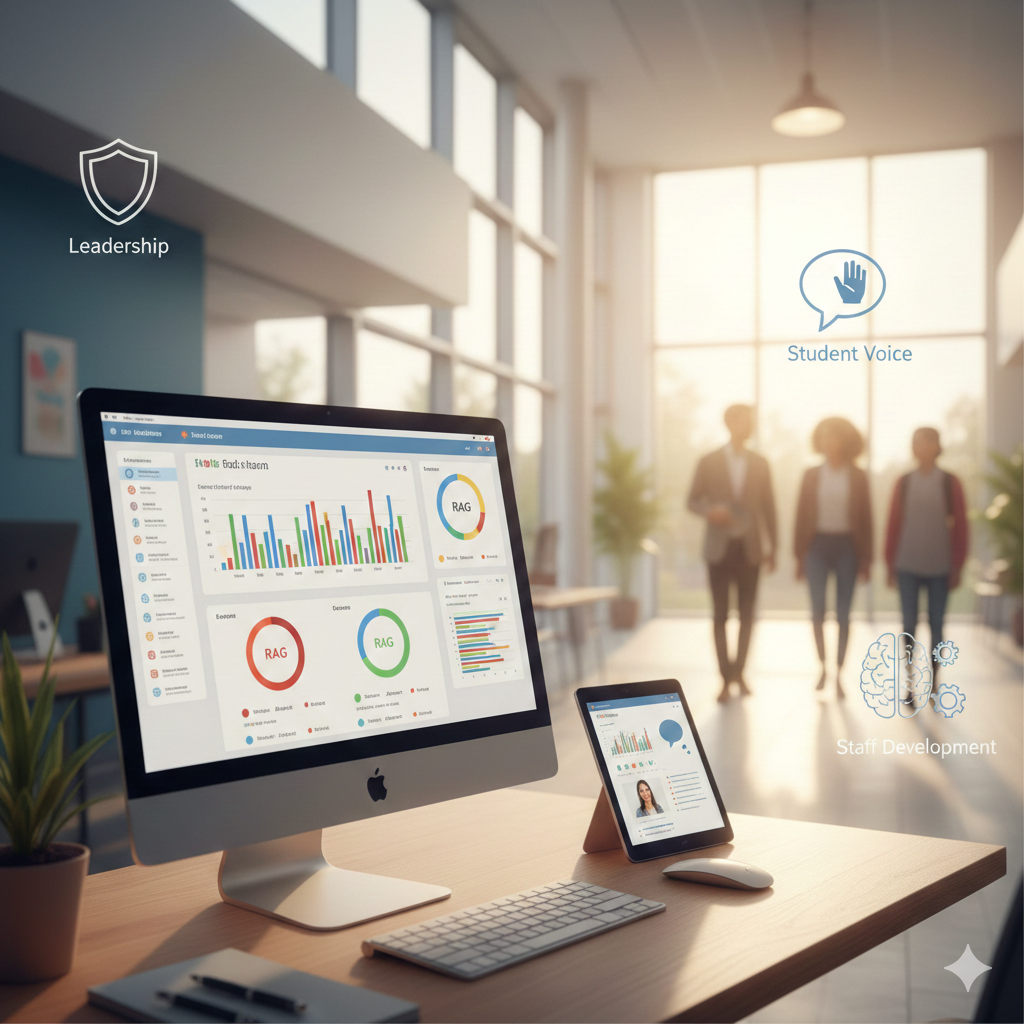
Evaluating your school against the "Gold Standard": A guide to the DfE’s 8 Principles
As the 2025/26 Ofsted framework places wellbeing at the heart of the school report card, we explore how to benchmark your provision against national standards. Learn tips for evidence-gathering that go beyond compliance to foster true institutional excellence.
.png)
A Year of Listening, Learning and Supporting: Reflecting on 2025 With Our School Community
It’s been a year of change, challenge and remarkable resilience in schools — and we’re proud to have played a small part in helping communities understand wellbeing more clearly and act on it with confidence.
What Does ‘Good’ Wellbeing Look Like? Using National Baselines to Understand Your Results
Discover what ‘good’ wellbeing really looks like in schools. This article explores how national baseline data transforms wellbeing results from numbers into meaningful insight — helping leaders understand context, identify priorities, and evidence real impact.
.png)
Why Some Pupils Don’t Ask for Help — And What Schools Can Do About It
32% of pupils do not feel comfortable asking for help when it comes to their emotions. Why is this the case? Why do so many young people hold back from seeking the support they need? And what can schools do to change this?
.png)
Developing New Year’s resolutions with the psychology of habit formation
Explore the psychology behind habit formation and how to turn New Year’s resolutions into lasting routines. Discover actionable tips on triggers, rewards, and human connection to build habits that stick.
.png)
Top 5 BounceTogether Surveys for Children’s Mental Health Week
Check out our TOP 5 recommended surveys for use in your school this children's mental health week.
.png)
Teenage phone use – is there really a problem?
This blog explores the impact of teenage phone use on mental health, linking it to rising anxiety and depression since 2010. It examines social media’s role in harmful comparisons and boys retreating into virtual worlds, suggesting solutions like phone bans, parental modeling, and fostering independence.

Understanding the 2024 KCSiE Updates: What Schools Need to Know
This blog post will explore key changes to the KCSiE guidance, offering practical insights into how schools can effectively meet safeguarding requirements.
%20small.jpg)
Top Tips for Running Your End-of-Year Wellbeing Survey: Identifying Support Needs and Assessing Progress
In this post, we'll explore top tips for running your end-of-year wellbeing survey effectively and how it can benefit both students and staff.

Why Belonging Matters In The Classroom
In this post, we delve into why belonging matters in the classroom and how it impacts students' overall experience and success.
Empowering Safeguarding Efforts With Bounce Alerts
Today, safeguarding the welfare of students is paramount for schools. With the rise of digital platforms and the complexities within our society, schools face unique challenges in identifying and addressing concerning behaviours among their student body. Recognising this need, we have created Bounce Alerts, a cutting-edge solution designed to enhance safeguarding practices in schools like yours.
Nurturing Student Wellbeing Through Transitions
In this blog post, we'll explore how transitions can affect mental health and discuss practical ways teachers can support pupils during these periods of change.
Navigating Transitions: How Surveys Empower Schools to Tailor Support and Foster Smooth Pupil Transitions
In this blog post, we'll explore the benefits of surveys, the importance of passing information between feeder schools, and introduce the Student Subjective Wellbeing Questionnaire (SSWQ) as a popular survey used by schools to capture insights that support transitions.
Promoting Physical Activity in Schools: Moving more for mental health
It’s no secret that today, our children and young adults are spending more time on screens and less time being physically active. In the blog post, we explore practical ideas for promoting movement and measuring attitudes toward physical activity in schools.
The Importance of Sleep in the Run-Up to Exams: Ensuring Your Pupils Rest Well
This informative blog post focuses on the importance of ensuring students get adequate sleep during the exam season. It highlights how sufficient sleep enhances memory retention, cognitive function, and emotional resilience - vital elements for exam success.

How Reading Attitudes Impact Wellbeing, Academic Attainment, and Engagement
This blog will explore the importance of reading attitudes and explore how schools can measure, shape, and utilise these to cultivate children's habits, achievement, engagement, and wellbeing.
Understanding and Addressing Test Anxiety in Schools
In this blog, we'll explore the intricacies of test anxiety, its impact on students, and actionable strategies for teachers to support their students more effectively.
Empowering Schools: A Simple Guide to Online Safety in Education
In today's digital age, where technology is a big part of education, creating a safe online environment for students, teachers, and parents is more important than ever. Let's explore some key tips and strategies to help schools navigate the digital landscape and empower everyone for a safer internet experience.
Breaking the silence: 'My Voice Matters' this children's mental health week!
The children who struggle the most are often those that teachers are not aware of; pupils that internalise their feelings or don’t know how to ask for help and express themselves. How can we ensure that every student's voice is not just heard but valued and supported within the school environment?
Making Noise: How Surveys Can Help Schools Overcome the Barrier of Disclosure
In this blog post, we will explore the significance of measuring bullying in schools and how surveys, such as the Child Relationship Survey, can help schools overcome the barrier of disclosure this Anti-Bullying Week and beyond.

Fostering Growth Mindset in the Classroom: Why is it so important?
In this blog post, we'll delve into the significance of a growth mindset, understand what it entails, and explore how it can be measured and enhanced in your classroom.

Supporting children with test anxiety
The following blog post provides insight into test anxiety as a common phenomenon experienced my many school-aged children.
The Most Popular wellbeing surveys for children
In the following blog post, we have listed some of the most popular surveys and questionnaires across different category areas to help you get a head start when it comes to measuring mental health and wellbeing amongst your pupils.

Wellbeing governors in school
Why does your school need a wellbeing governor? Advocates Governors for Schools share some of their thoughts.
.png)
Why don’t schools measure wellbeing?
The biggest barriers to measuring wellbeing in schools and how to overcome them
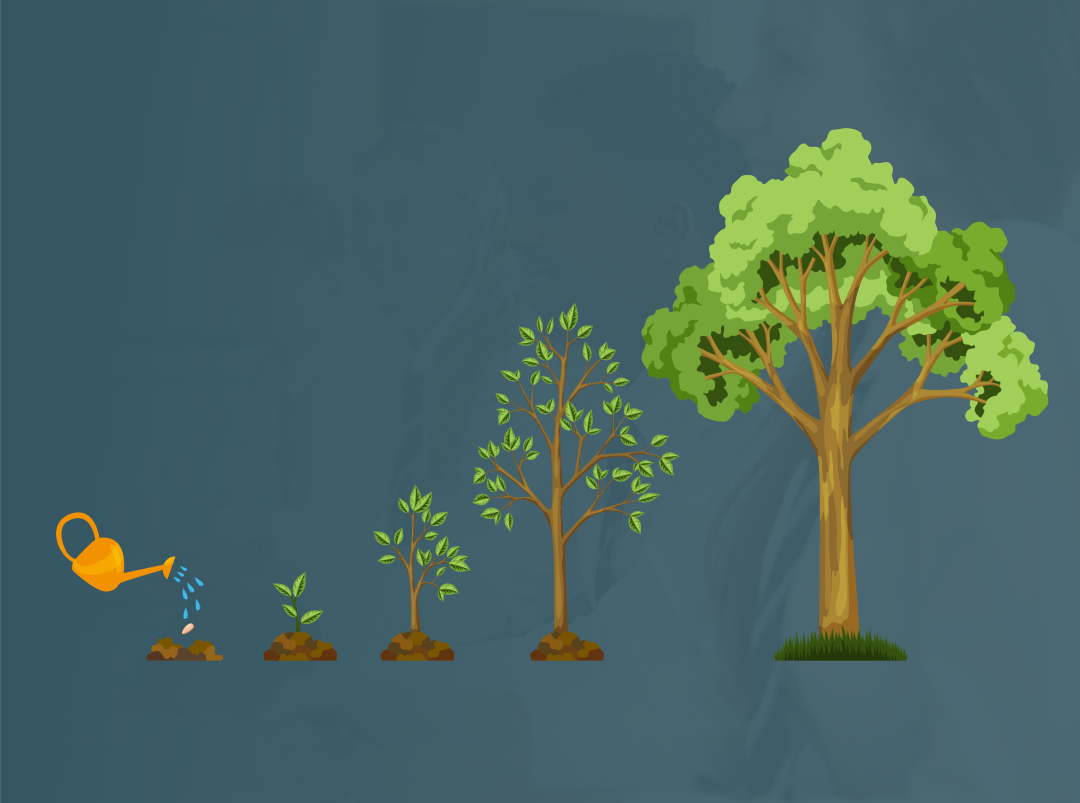
Why measuring wellbeing is like planting a tree!
Why measuring wellbeing is like planting a tree! The best time to plant a tree was 20 years ago, the second best time is today!
.jpeg)
Why should you measure wellbeing in school?
Supporting the mental health and wellbeing of children and young people is an essential part of our education system. There is now a clear need to monitor and measure this key area but how can you use data to purposefully drive the right decisions and create better outcomes for your school community?
.jpg)
Adaptability vs Resilience: Understanding the Difference and Why It Matters for Schools
Adaptability and resilience are two terms that are often used interchangeably, but they do refer to different concepts. It is important for teachers to understand the difference between them so they can better support children in developing the skills they need to navigate inevitable change and uncertainty.

Amplifying Silent Struggles: Giving Voice to Children Who Internalise Their Emotions in School
It is no secret that it’s not always the children who shout the loudest who are silently grappling with struggles. But how do we ensure that these silent strugglers are heard, supported, and empowered? In this blog post, we will explore the importance of recognising and understanding the experiences of children who internalise their emotions.
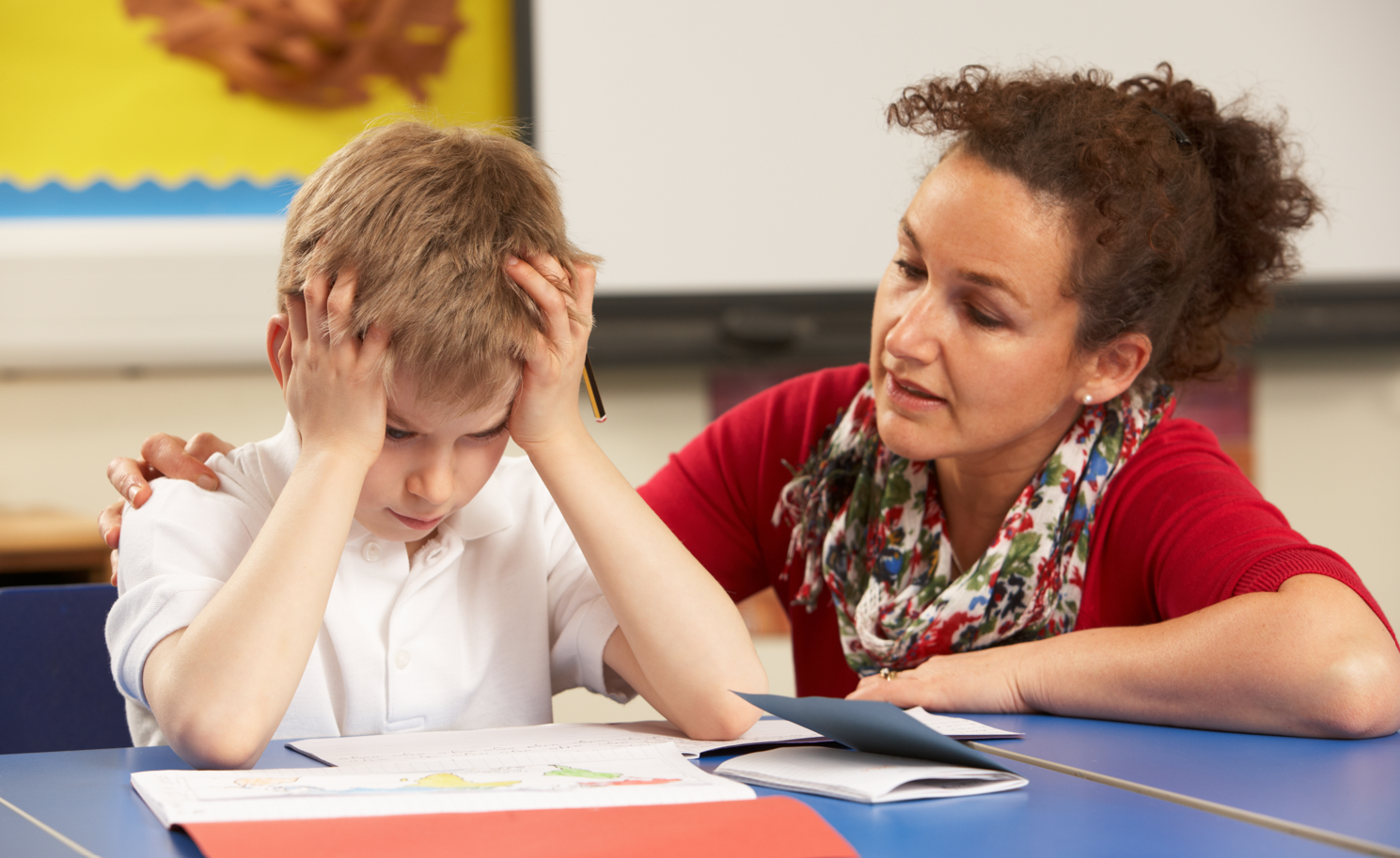
Buffering stress and anxiety in the classroom
The following blog post will help you recognise the difference between good and bad stress so you can better support your pupils in developing the resilience and effective buffer systems they need to overcome the challenges they face.
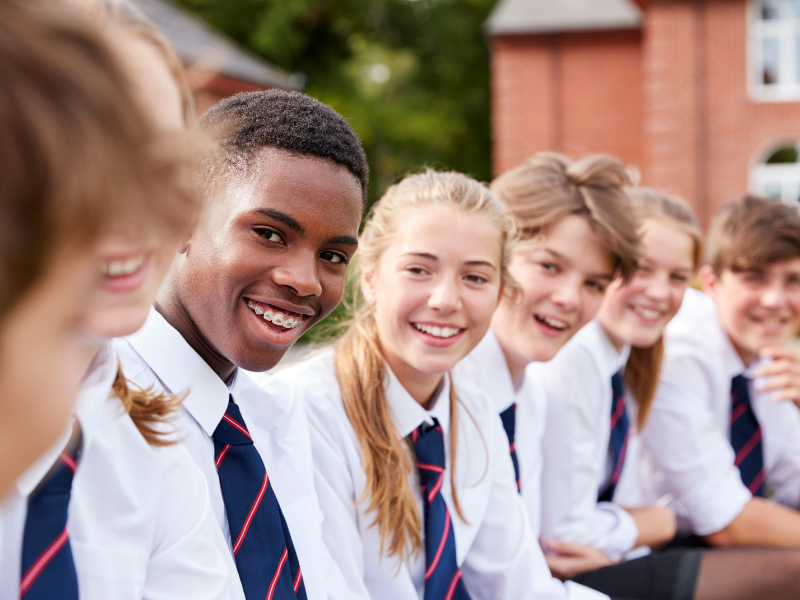
Building wellbeing in a secondary school from the bottom up
Aidan Harvey-Craig on a peer-led approach to wellbeing in schools.

Driving improvements in teacher wellbeing!
There is no doubt that teaching is an incredibly rewarding job! But it is important to recognise that working in education is also a challenge, where resilience is often tested daily.

E-safety – all fun and games?
Helping children to have happy and healthy online relationships
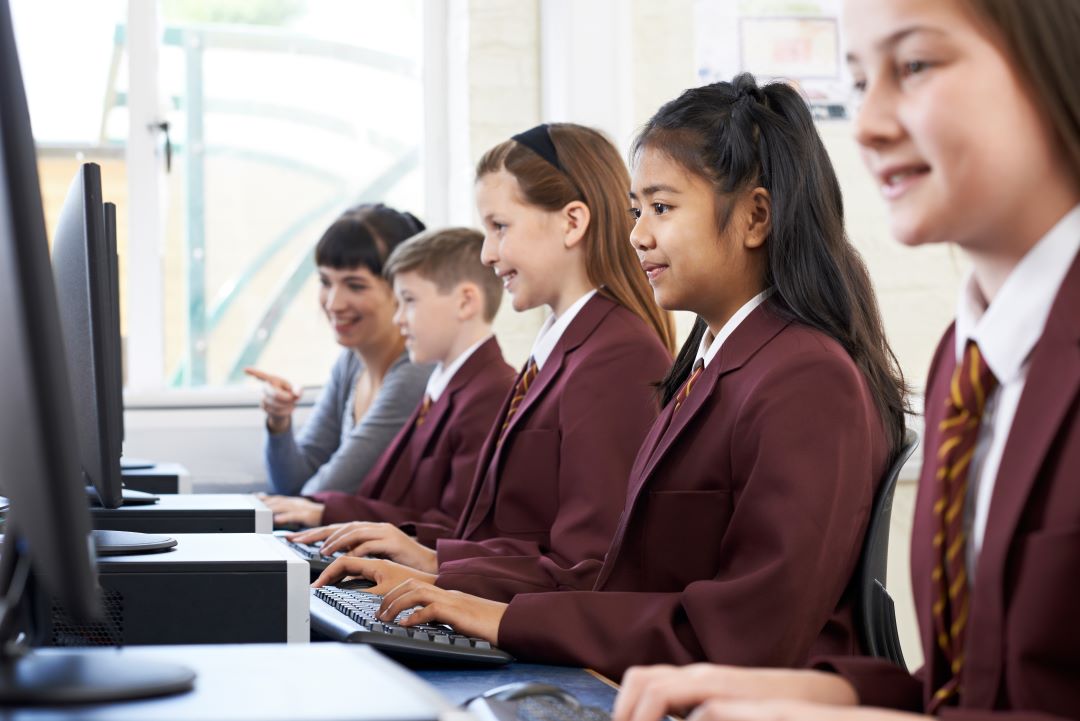
Five steps to building an effective wellbeing measurement strategy!
We recommend that schools follow the following five steps to monitor and measure wellbeing effectively, resulting in improved outcomes and maximum impact. You may want to adapt our guidelines to suit your own school and its unique requirements.
Has Your School Claimed the £1,200 Funding for Mental Health Training?
Did you know that the Department for Education (DfE) is offering a grant of £1,200 to eligible state-funded schools and colleges in England? We speak to schools everyday who are unaware this funding is available and earmarked for training a Senior Mental Health Lead (SMHL) to develop and implement a whole school or college approach to mental health and wellbeing.

How kind is our school? Tips for creating a kinder school community
Kidscape CEO, Lauren Seager-Smith, shares her tips on how to create a kinder school ahead of this year’s Anti-Bullying Week.

Measuring Wellbeing - the do's and don'ts
What to be mindful of and what to avoid when you're planning to measure wellbeing. School mental health and wellbeing leads will want to read this!

Measuring wellbeing: Views of a Wellbeing Lead
Ludworth Primary School’s Wellbeing Lead tells us how BounceTogether is helping to improve wellbeing.
Nurturing Student Wellbeing: The Power of Asking the Right Questions
In this blog post, we will explore the significance of asking the right questions in wellbeing surveys, enabling your school to collect meaningful data that informs decision-making, encourages meaningful conversations, and strengthens relationships within the school community.
Preparing for Ofsted - Guidance for schools
This post contains information to support primary schools and secondary schools in preparing for an Ofsted “deep-dive” into SEMH provision.

Promoting reading for pleasure
A few insights from the School Library Association on developing reading for pleasure in school.
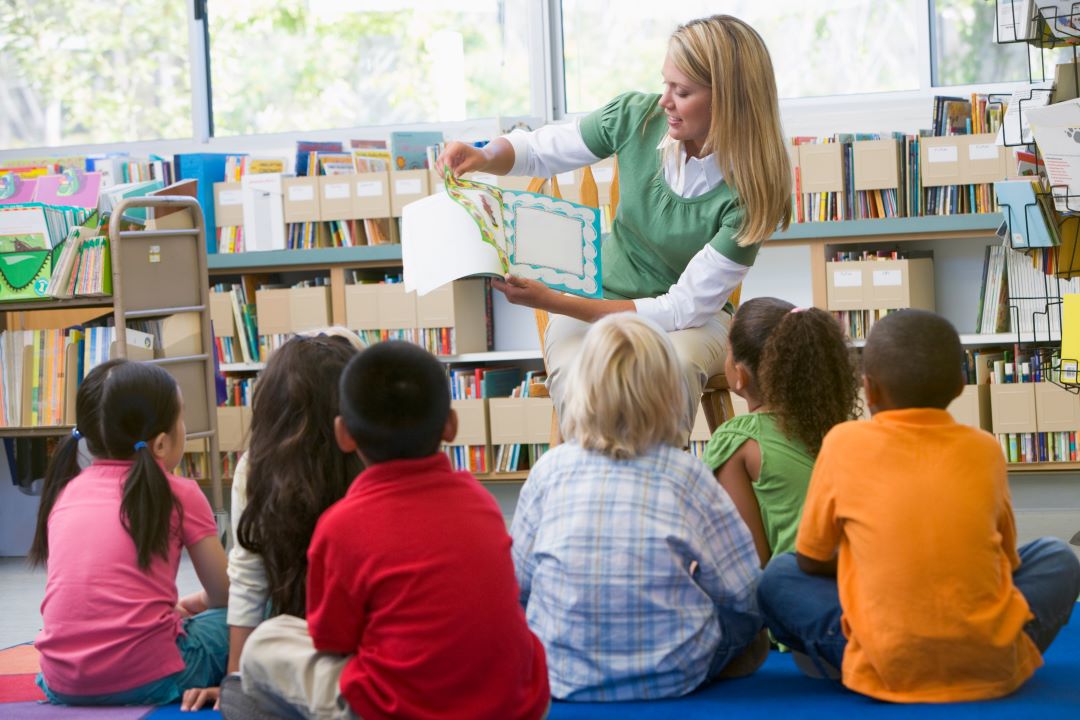
Reading the way to better wellbeing!
As well as being one of the greatest indicators of academic success, it is generally accepted that reading for pleasure positively affects mental health, self-esteem, empathy, mood and stress. So, how can we harness the power of reading, change attitudes, and in turn have an impact on our children’s mental wellbeing?
.png)
Secrets of a happy school
Kensington Primary School share their journey to becoming one of the happiest schools in the UK.
Shining a Light on Anxiety: Mental Health Awareness Week 2023
With Mental Health Awareness Week just around the corner, it's important to start thinking about how we can support our students' mental health, particularly when it comes to this year's theme, anxiety.

Supporting children through transition and change
Transition is an exciting time for children. However, like any change, it brings a sense of uncertainty, which can cause children to feel anxious. The following blog post explores some practical tips to help schools prepare children and young people for the upcoming transition period.